Exploring Brain-Based Coaching: Insights from a Practitioner

As a certified Brain-Based Coach from the NeuroLeadership Institute (NLI), I’ve had the privilege of delving into the fascinating interplay between neuroscience and leadership development. This approach, deeply rooted in the latest neural and cognitive sciences, offers a fresh perspective on how leaders can enhance their effectiveness and creativity. Let’s explore the fundamentals of Brain-Based Coaching, its theoretical underpinnings, and its revolutionary impact on leadership coaching.
What is Brain-Based Coaching?
Brain-Based Coaching is a methodology developed by the NeuroLeadership Institute, leveraging insights from neuroscience to improve how we think, work, and lead. The core idea is simple yet profound: understanding the brain can help us become better leaders. This coaching style is grounded in scientific research, focusing on how the brain processes information, regulates emotions, and sustains change.
The Theoretical Background
The origins of Brain-Based Coaching lie in the emerging field of neuroleadership, pioneered by Dr. David Rock in the mid-2000s. Neuroleadership focuses on applying neuroscience to leadership practices, decision-making, problem-solving, and emotional regulation. Brain-Based Coaching takes these insights and translates them into practical strategies for leadership development, emphasising self-directed learning and neuroplasticity—the brain's ability to reorganise itself by forming new neural connections.
Core Models of Brain-Based Coaching
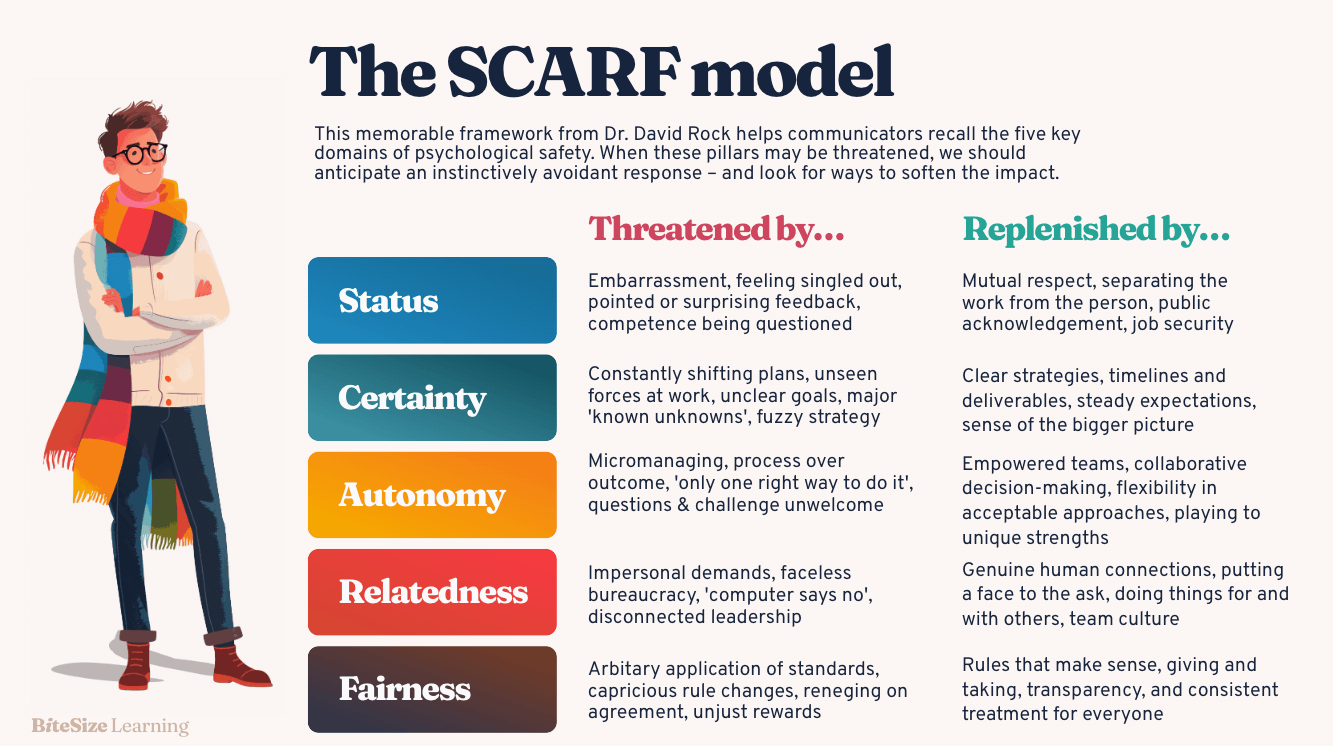
The NeuroLeadership Institute has introduced several models central to Brain-Based Coaching. A key model is the SCARF model, which stands for Status, Certainty, Autonomy, Relatedness, and Fairness. This model suggests that these five domains of human social experience significantly influence our brain's threat and reward response in social interactions. By understanding and addressing these elements, leaders can foster a more positive and productive work environment.
Another critical model is the AGES model (Attention, Generation, Emotion, Spacing), which provides insights into creating memorable and impactful learning experiences. It emphasises the importance of focused attention, emotional engagement, generating connections through reflection, and spacing learning over time to enhance retention and understanding.
Brain-Based Coaching in Practice with Creative Leaders
In my practice, working with creative leaders through Brain-Based Coaching has been incredibly rewarding. Creative industries often demand high levels of innovation, flexibility, and emotional intelligence. By applying principles such as the SCARF and AGES models, I help leaders navigate complex creative processes, enhance team collaboration, and maintain their well-being amidst uncertainty.

KATE SOUTHERBY
For instance, in coaching sessions, we might explore scenarios that trigger a threat response under the SCARF model. Understanding these triggers allows leaders to reshape their approach to team interactions, fostering a more supportive and innovative atmosphere. Similarly, by applying the AGES model, leaders learn to conduct meetings and brainstorming sessions that maximise attention and emotional engagement, leading to richer, more creative outcomes.
Why Brain-Based Coaching Matters
In today’s rapidly evolving professional landscapes, leaders face unprecedented challenges that demand not only intellectual rigour but also a high degree of emotional and social intelligence. Brain-Based Coaching equips leaders with the tools to understand and optimise their mental processes and those of their teams. This approach is not about providing immediate solutions. Instead, it's about fostering a culture of continuous learning and adaptation, which is vital in the creative sectors.
Conclusion
Brain-Based Coaching offers a transformative approach to leadership development, one that aligns with how our brains naturally work. As we continue to uncover more about the brain's capabilities and limitations, this coaching style will undoubtedly become even more relevant, providing leaders with the nuanced understanding necessary to navigate the complexities of modern-day leadership.
For those interested in a coaching approach that combines depth, scientific rigour, and practical applicability, Brain-Based Coaching is an invaluable asset. It’s not just about being good leaders; it’s about becoming thoughtful, reflective, and innovative thinkers who can lead organisations to thrive in an ever-changing world.
