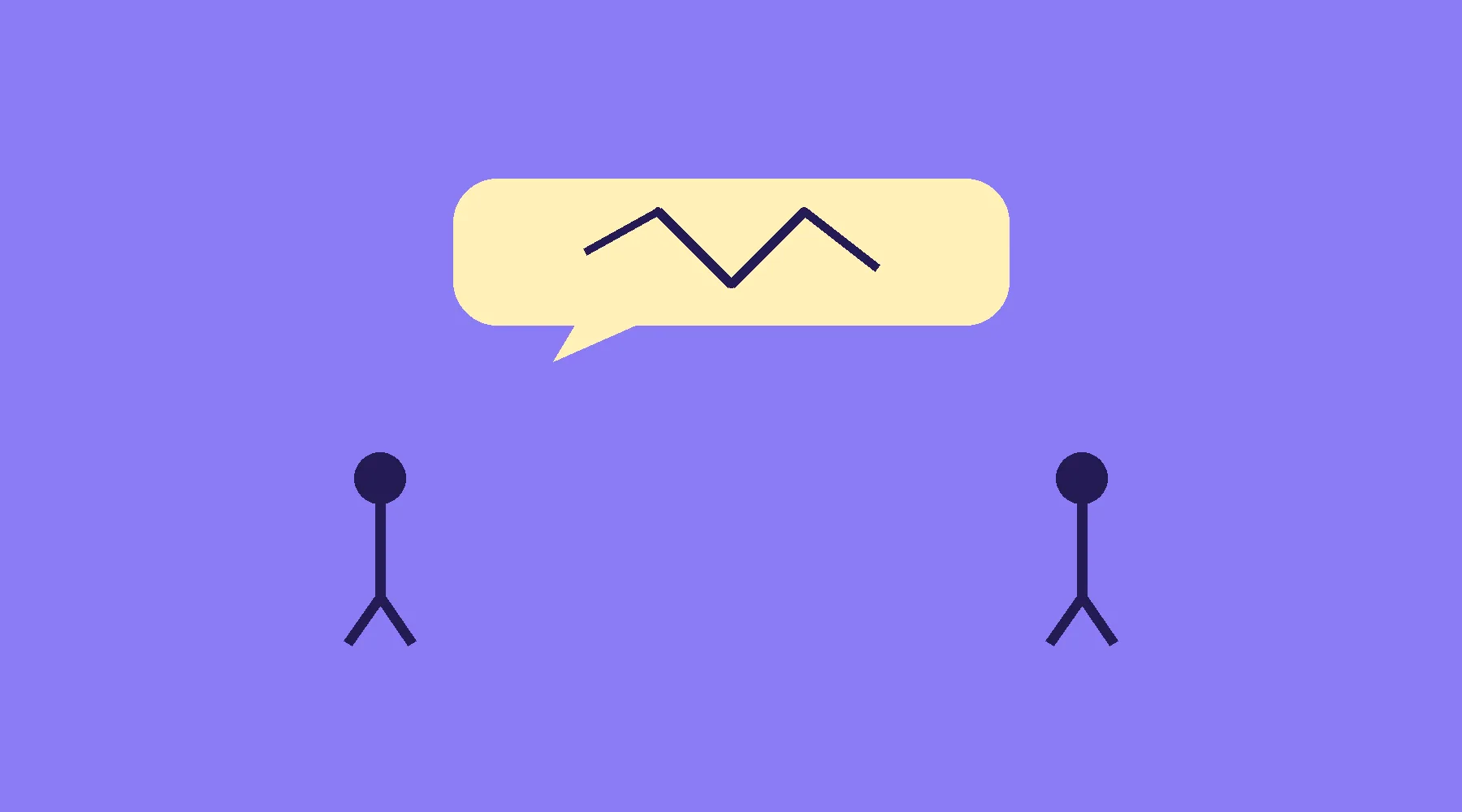
Difficult conversations are not difficult because we do not know what to say. They are difficult because part of us thinks the conversation might cost us something.
1. The real-world scenario
Opening scene
You know the conversation matters. You may even have the words. Then the person is in front of you and something changes. The neat sentence becomes foggy. You soften the point, add three unnecessary cushions, or decide that perhaps Tuesday was not the right day after all.
2. What may be happening
What your brain thinks is happening
Your brain is scanning for social threat. Not tiger-in-the-car-park threat, but the modern workplace version: rejection, disapproval, embarrassment, losing status, being misunderstood, damaging a relationship, looking unkind or becoming the difficult one. The brain is not being dramatic. It is trying to protect you.
3. Why it lands harder than expected
What this looks like at work
People avoid the conversation. Or they soften it so much the point vanishes. Or they over-explain until the other person feels buried. Or they go in too bluntly because they want the discomfort over quickly. This is where the neat model can fall apart in real life.
4. What actually helps
Why the obvious technique can fail in real life
The usual advice is to be clear and direct. Fine on paper. In real life, clarity often collapses when your nervous system thinks clarity might cost you belonging, approval or control. A script is useful only if your body can stay present enough to use it.
5. What to try next
What helps instead
The goal is not to become fearless. The goal is to become more aware. Name the discomfort before the conversation. Get curious about your own reaction. Lead with the real intention, not just the content. Stay close to the behaviour, not a judgement about the person.
6. What to notice
A small habit to try this week
Before the conversation, write one sentence: The thing I am trying to protect is... Then write another: The useful thing I still need to say is... A good habit is small enough to survive a busy Tuesday.
7. What to practise
Questions to ask yourself
What am I afraid this conversation might cost me? Am I trying to be kind, or am I trying to stay comfortable? What is the smallest honest version of the message? What would make this conversation clearer and kinder?
8. How to keep it alive
Research and useful ideas behind this
Amy Edmondson describes psychological safety as a shared belief that a team is safe for interpersonal risk-taking. That matters because difficult conversations are interpersonal risks. The SCARF lens is also useful here: status, certainty, autonomy, relatedness and fairness can all feel threatened in ordinary workplace moments. Affect labelling, putting feelings into words, can help lower emotional heat so you regain access to better thinking.
The problem is rarely that people do not care. It is that pressure makes honesty feel risky.
9. What to design around the role
Three things tend to make a more substantial difference.
Name the social risk before the content
Before planning your words, name what feels at risk: status, relationship, fairness, control or certainty.
Reduce surprise by setting context early
Give the other person enough context that their brain is not left guessing why this is happening now.
Lead with intent before impact
Say what you are trying to make possible before describing what is not working.
Make repair part of the conversation
Plan how you will come back to the relationship after the first reaction has passed.
10. Questions to reflect on
Use these to notice where editing has become the default.
- 01What specific threat am I anticipating in this conversation?
- 02What story has grown while I have been avoiding it?
- 03What would make the conversation feel one step safer for both of us?
- 04What repair might be needed afterwards?
Takeaway
Your brain is not the enemy. It is trying to protect you. But you are the leader, not the alarm system.
Keep the next step clear.